


Skin Changes During Menopause: Tips for Relief and Care
Understanding Skin Changes During Menopause
Menopause marks a significant transition in a woman’s life, bringing about various physical and emotional changes. One of the notable effects is on the skin. As estrogen levels decline, women often experience significant alterations in skin health. These changes can include:
- Increased Dryness: Lower estrogen can lead to reduced natural oils, making skin feel dry and rough. This can manifest as flakiness or patches of rough skin that can be uncomfortable, causing many women to seek out intensive moisturizers or hydrating masks to alleviate the discomfort. Research suggests that adopting a dedicated skincare routine that includes products specifically formulated for dry skin can alleviate some of these symptoms.
- Thinning Skin: Thinner skin can develop wrinkles and sagging as collagen production decreases. As women age, the skin’s elasticity diminishes, resulting in a more pronounced appearance of fine lines, especially around the eyes and mouth. The noticeable decline in skin thickness can also be linked to genetic predispositions; for some, this may prompt them to explore dermatological treatments such as microneedling or fillers to restore youthful volume. Treatments targeting collagen production have gained popularity among women aiming for more lasting solutions.
- Loss of Elasticity: Skin can lose its firmness and bounce, contributing to a more aged appearance. This loss of elasticity may not only affect the face but can also impact areas like the neck and décolletage. Some women report seeking medical advice or professional treatments like laser therapy to help rejuvenate these areas, indicating a broader societal trend towards taking preventative measures for skin health at this stage of life.
- Greater Sensitivity: Many women notice that their skin becomes more sensitive and prone to irritation during this time. This heightened sensitivity can result in adverse reactions to products that were previously well-tolerated, leading many to research hypoallergenic or fragrance-free options to avoid exacerbating their skin issues. Additionally, environmental factors like pollution and sun exposure can compound these issues, highlighting the need for protective solutions.
- Acne and Breakouts: Hormonal fluctuations may also lead to unexpected acne, particularly in women who have not experienced it since their teens. This can be especially perplexing and discouraging, prompting women to consider various skincare regimens, including the use of salicylic acid or benzoyl peroxide while navigating the balance of maintaining hydration without aggravating dryness. This resurgence of acne can lead to emotional distress, warranting the exploration of both topical solutions and lifestyle modifications that promote overall skin health.
Understanding these changes is the first step toward finding the right strategies for skin care during menopause. Recognizing the underlying hormonal shifts allows for a more informed approach, enabling women to select products that cater specifically to their evolving skincare needs. In addition to topical treatments, engaging in regular skin checks and understanding the external factors affecting skin health can greatly contribute to maintaining a resilient complexion.
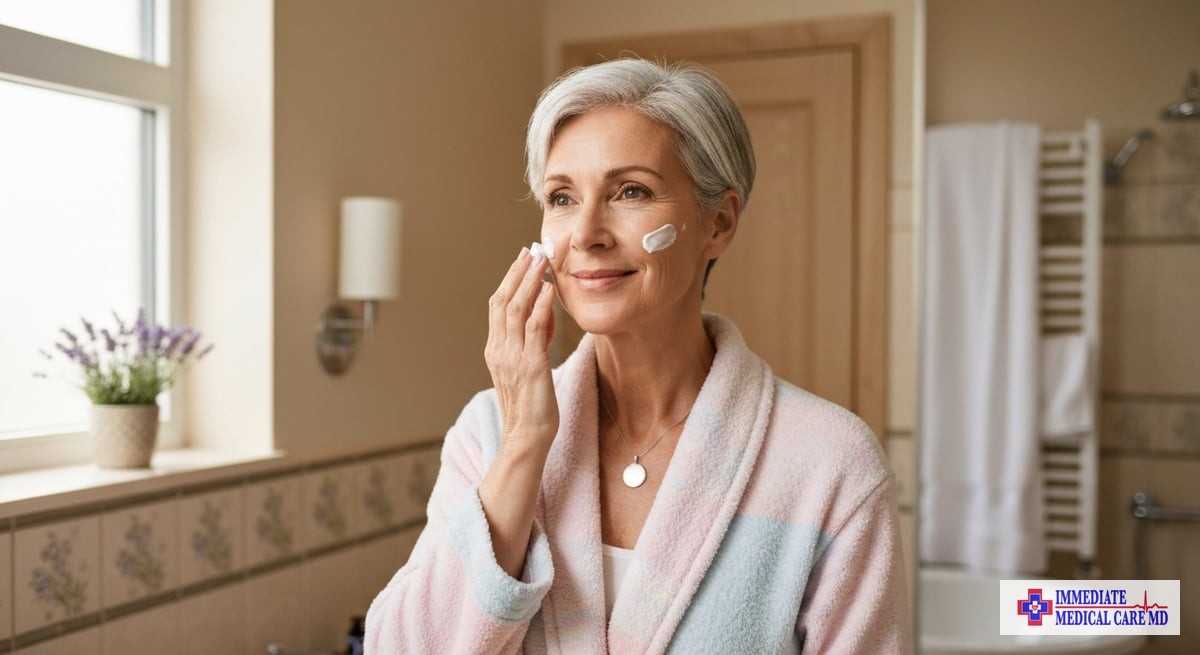
Tips for Caring for Your Skin During Menopause
Caring for your skin during menopause requires a thoughtful approach. Here are several effective tips:
- Stay Hydrated: Drink plenty of water to keep your skin hydrated from the inside out. Dehydration can not only worsen dryness but can also lead to dull-looking skin; therefore, a target of at least eight glasses of water a day, alongside hydrating foods like cucumbers and watermelon, can be beneficial. Incorporating herbal teas or foods rich in antioxidants can also support hydration and skin vitality.
- Use Gentle Cleaners: Opt for mild, hydrating cleansers to avoid stripping your skin’s natural oils. Products like cream-based cleansers or oil cleansers are excellent choices as they maintain moisture levels. Look for products that are sulfate-free, as sulfates can further exacerbate dryness and irritation, making your skin feel more fragile. It’s also wise to avoid using harsh exfoliants that can irritate sensitive skin.
- Moisturize Regularly: Invest in high-quality creams that contain ingredients like hyaluronic acid or glycerin. These ingredients can draw moisture into the skin, offering longer-lasting hydration, while products with ceramides help to restore the skin barrier and improve overall texture. Utilizing overnight masks or overnight oils can provide intensive moisture while you sleep, leading to refreshed skin by morning.
- Consider Supplements: Some women benefit from vitamins such as omega-3 fatty acids or vitamin E, which support skin health. These supplements can help reduce inflammation and enhance skin hydration from within, presenting an opportunity for comprehensive support beyond topical treatments. Fish oil supplements, for instance, may not only support skin hydration but also contribute to overall cardiovascular health.
- Sunscreen is Essential: Protect your skin from UV damage every day with sunscreen to prevent further aging. A broad-spectrum SPF of at least 30 is recommended, as UV exposure can exacerbate pigmentation changes and accelerate skin aging. Reapplying sunscreen every two hours, especially if you’re outdoors, is crucial to ensure continuous protection.
Additionally, consulting with a board-certified healthcare provider may provide personalized recommendations tailored to your unique skin needs. They can also assist in creating a skincare plan that evolves as your body changes, emphasizing the importance of regular check-ins to adapt your routine as necessary. Incorporating regular dermatological evaluations can help tailor skincare routines that work best with the hormonal fluctuations experienced during menopause.
When to Seek Medical Attention
While many skin changes during menopause are manageable with self-care, there are times when you should seek professional help. If you notice significant changes such as:
- Severe dryness that does not respond to normal moisturizing methods, leading to cracks or irritation that can become painful. This may indicate a possible skin condition that requires more targeted therapeutic approaches.
- Skin lesions or unusual growths that arise suddenly or change in appearance, as these may require further evaluation. Keeping a close watch on any moles or growths by noting changes in size, shape, or color can be instrumental in early detection.
- Rashes or persistent irritation that worsen, signaling a possible allergic reaction or infection that requires assessment. Specialized testing may be needed to identify allergens or irritants contributing to these adverse reactions.
- Signs of infection, such as redness, swelling, or pus, that may indicate a need for treatment beyond over-the-counter remedies. Prompt diagnosis can prevent complications and facilitate timely intervention to restore skin health.
It’s vital to consult a board-certified physician. At Immediate Medical Care MD, Dr. Anupama Pani leads a team that emphasizes personalized care and understanding, ensuring that your concerns are treated with the utmost professionalism and empathy. Seeking guidance early on can lead to more effective management strategies and prevent conditions from worsening. Finding a doctor who understands the nuances of menopause-related changes can provide significant relief and a renewed sense of confidence.
Conclusion and How We Can Help
Menopause can undoubtedly trigger a variety of skin challenges, but being proactive in your skincare routine can lead to significant improvements. You deserve to feel your best during this transition. At Immediate Medical Care MD, we are committed to providing comprehensive care and support for women navigating the complexities of menopause, and we understand that skincare is an essential component of overall health during this time.
Our services include personalized consultations to develop appropriate skincare recommendations, access to on-site diagnostics, and a warm, inviting environment where you can address your health needs confidently. We ensure that each treatment plan is tailored to align with your specific skincare concerns and lifestyle. Our goal is to empower you with the knowledge and resources necessary to adapt to your changing skin conditions, helping you feel beautiful and confident.
Don’t hesitate to reach out—your skin will thank you for it! By taking the time to understand your needs and the changes your body is experiencing, we can work together to implement solutions that will enhance your quality of life. Ultimately, taking charge of your skin health can lead to a more fulfilling menopause experience, emphasizing vitality and well-being.
Call to Action
If you’re experiencing skin changes during menopause and want personalized medical advice, don’t wait to find relief. Call us at 914-502-0881 to book your appointment with Dr. Pani today. Experience compassionate, physician-led care that honors your unique health journey. Let us help you regain confidence in your skin and overall wellbeing during this important life phase. Our dedicated team is here to support you through every step, ensuring you feel heard and understood, and arm you with effective strategies to navigate this journey.
Common Questions
What skin changes can occur during menopause?
During menopause, women may experience dryness, increased sensitivity, thinning skin, loss of elasticity, and a rise in acne. These changes result from reduced hormone levels, particularly estrogen, and each woman’s experience can vary significantly. It’s vital to tailor skincare routines accordingly and remain aware of how these changes may affect not just appearance, but also comfort levels.
How can I relieve skin dryness associated with menopause?
To alleviate skin dryness, consider using moisturizers with hyaluronic acid, drinking plenty of water, and avoiding hot showers that strip natural oils from the skin. Incorporating a humidifier at home can also add moisture to the air, which can be particularly beneficial in dry seasons. Additionally, regular application of nourishing oils on damp skin can lock in moisture, proving to be extremely effective.
What treatments are available for skin changes during menopause?
Options include prescription topical treatments, hormone replacement therapy (HRT), and over-the-counter moisturizers. Consultation with a healthcare provider can help determine the best option for individuals, as some may require a combination approach to effectively manage their symptoms. Integrative approaches that combine lifestyle changes with medical interventions can yield optimal results.
This article was created with the help of AI. Images may also be AI-generated.