


Women’s Health Month: Comprehensive Guide to Menopause Symptoms and HRT
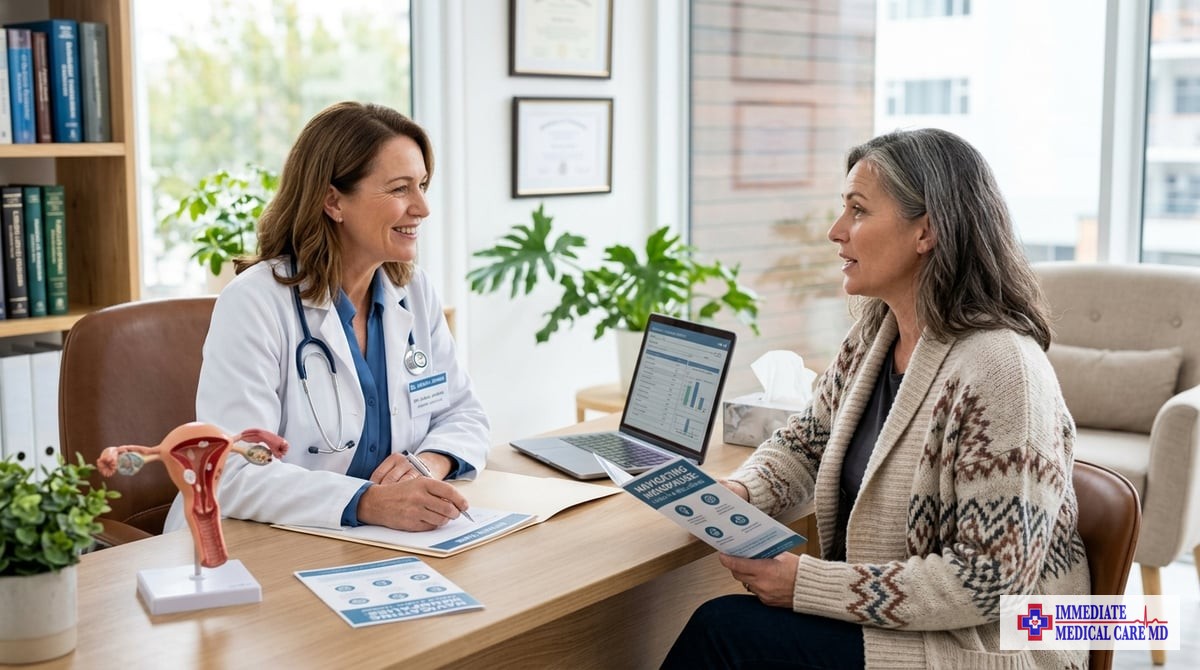
Understanding Menopause: A Key Phase in Women’s Health
Menopause is a natural part of a woman’s life cycle, marking the end of her reproductive years. It’s essential to understand that this transition typically occurs between the ages of 45 and 55, but it can happen earlier due to various factors.
During menopause, hormonal changes can lead to a range of symptoms, including hot flashes, night sweats, mood swings, and changes in sexual function. Understanding these symptoms is crucial for managing them effectively.
At Immediate Medical Care MD, we specialize in providing personalized care to help women navigate this significant life phase. Our experienced physician, Dr. Anupama Pani, is dedicated to offering compassionate support and evidence-based treatment options for menopause.
Common Symptoms of Menopause
The transition into menopause can vary widely among women, with some experiencing mild symptoms and others facing significant challenges. The most common symptoms include:
- Hot Flashes: Sudden feelings of warmth that spread over the body, often with sweating and chills that follow.
- Night Sweats: Severe hot flashes that occur during the night, leading to disrupted sleep.
- Mood Changes: Increased irritability, anxiety, or depression are common during this transitional phase.
- Changes in Libido: Women may notice alterations in their sexual desire or enjoyment due to hormonal fluctuations.
- Menstrual Irregularities: As menopause approaches, periods may become irregular before completely stopping.
- Weight Gain: Hormonal changes can lead to increased body fat, especially around the abdomen.
Recognizing these symptoms early can help you seek appropriate care and support. At our clinic, we offer tailored consultations to discuss your individual experiences and how to address them effectively.
Understanding Hormone Replacement Therapy (HRT)
Hormone Replacement Therapy (HRT) is a common treatment for menopausal symptoms, helping to balance hormones that fluctuate during this time. While HRT is not suitable for everyone, it has proven effective for many women experiencing severe symptoms.
There are two main types of HRT:
- Estrogen Therapy: This option is typically recommended for women who have had a hysterectomy, as estrogen alone can effectively relieve symptoms.
- Combination Therapy: For women with an intact uterus, a combination of estrogen and progesterone is used to reduce the risk of endometrial cancer.
It is essential to have a detailed discussion with your healthcare provider about the potential benefits and risks associated with HRT. Dr. Pani can guide you in making an informed decision based on your health history and symptom severity.

Benefits and Risks of HRT
While HRT can provide significant relief from menopausal symptoms, it also carries some risks that need to be considered. Potential benefits of HRT include:
- Effective Relief: Rapid alleviation of hot flashes and night sweats.
- Improved Mood: Many women report enhanced mood stability and reduced anxiety when undergoing HRT.
- Bone Health: HRT can reduce the risk of osteoporosis, promoting bone strength during the post-menopausal years.
Conversely, there are risks to consider, such as increased chances of blood clots, stroke, and certain types of cancer. This is why personal consultation is important. At Immediate Medical Care MD, we prioritize personalized assessments to ensure that your health needs are met responsibly.
Lifestyle Changes to Manage Menopause Symptoms
In addition to HRT, several lifestyle changes can help manage menopause symptoms effectively:
- Regular Exercise: Engaging in physical activity can alleviate many symptoms, including weight gain and mood swings.
- Balanced Diet: A diet rich in fruits, vegetables, and whole grains supports overall health, maintaining energy and mood levels.
- Stay Hydrated: Drinking plenty of water helps combat some common menopause-related issues, such as headaches and fatigue.
- Mindfulness and Relaxation Techniques: Practices such as yoga, meditation, and deep breathing exercises can help manage stress and improve mood.
Creating a supportive network of friends and family can also foster a sense of community and shared experience during this transition. Dr. Pani can assist with tailored advice on lifestyle modifications specific to your needs.
Take the First Step Towards Comfortable Aging
Women’s Health Month is an excellent time to prioritize your health and well-being during menopause. If you are experiencing distressing symptoms, do not hesitate to reach out. At Immediate Medical Care MD, we are here to support you every step of the way.
Schedule an appointment today to discuss your symptoms and explore effective management options tailored specifically for you. Your comfort and health are our top priorities.
Common Questions about Menopause and HRT
What age does menopause typically occur?
Menopause usually occurs between the ages of 45 and 55, but women start experiencing symptoms earlier or later.
Are all women candidates for HRT?
Not all women are suitable candidates for HRT. A thorough assessment by a healthcare provider is necessary.
Can menopause symptoms affect my quality of life?
Yes, menopausal symptoms can affect mood, energy, and overall quality of life. However, effective management options are available.
How long does menopause last?
Menopause is officially diagnosed after 12 months without a menstrual period, but symptoms can persist for several years.
Is it possible to manage menopause symptoms without HRT?
Yes, lifestyle changes and non-hormonal therapies can also help manage symptoms effectively.
This article was created with the help of AI. Images may also be AI-generated.